
Making a great smoothie is all about achieving the perfect balance of flavors, textures, and nutrition. These smoothie making tips are everything you need to know to help you create a delicious and nutritious smoothie.

This post was inspired by the many questions I have received from patients and clients over the years when it comes to making smoothies. The goal here is to answer common questions and concerns people have about making smoothies. Additionally, I hope to inspire those who have never made one to give it a go! And help those who are currently dabbling in smoothie-making but are not quite happy with the end results. Lastly, if you're already a smoothie connoisseur and found yourself here, drop me a comment below and let me know your top smoothie-making tip!
Jump to:
- Balancing Ingredients and Enhancing Flavor
- How to Create a Healthy Smoothie
- How to Add Protein Powder to Smoothies
- How to Best Blend a Smoothie
- Smoothie Recipes:
- Equipment for Smoothie Making
- How to Store a Smoothie
- When to Incorporate Smoothies into Your Day
- FAQ
- Related
- Pairing
- Food Safety Smoothie Making Tips
Balancing Ingredients and Enhancing Flavor
- Balance Your Ingredients:
- Use a variety of fruits: Incorporate a mix of fresh or frozen fruits to add natural sweetness and flavor. Common choices include bananas, berries, mangoes, and pineapples.
- Add vegetables: Sneak in some leafy greens like spinach or kale to boost the nutrition without compromising taste. They'll add vitamins, minerals, and a vibrant color to your smoothie.
- Include a protein source: Protein helps keep you full and satisfied. Consider adding silken tofu, nut butter, a scoop of plant-based protein powder, or a high protein plant-based yogurt or milk to your smoothie. Soy milk and pea-protein milk are plant-milks that are higher in protein.
- Liquid and Texture:
- Choose your base: Opt for a liquid base like water, milk (dairy or plant-based), coconut water, or juice. The choice depends on your dietary preferences and desired thickness.
- Control the thickness: To adjust the texture, you can add ice cubes for a thicker smoothie or more liquid for a thinner one. Frozen fruits can also contribute to a thicker consistency.
- Enhance Flavor and Nutrition:
- Sweeten: For a little extra sweetness try adding maple syrup, agave nectar, or Medjool dates. This can be exceptionally helpful for athletes who have high energy needs and are looking to increase the calorie and carbohydrates in their post-workout smoothie.
- Boost with extras: Nutrient-rich additions like chia seeds, flaxseeds, hemp seeds, cacao powder or a handful of nuts can enhance the nutritional value of your smoothie.
- Experiment with spices and flavorings: Try adding a pinch of cinnamon, nutmeg, vanilla extract, or a dash of cayenne pepper for unique flavor profiles.
- Lemon juice: Lemon juice adds a zesty, citrusy kick, balancing sweetness and elevating the taste of your smoothie. It's a rich source of vitamin C, boosting your smoothie's nutritional value and supporting your immune system. Use it to counteract excessive sweetness, particularly with very ripe fruits. Start with a small amount and adjust to taste.
Remember, the key to making a great smoothie is personalization. Adjust these tips to suit your taste preferences and dietary needs, and don't be afraid to get creative with your ingredient combinations.

How to Create a Healthy Smoothie
As a registered dietitian, I'm excited to share valuable insights into just how wonderfully beneficial and health-promoting smoothies can be. They can make a convenient addition to a balanced diet when prepared thoughtfully. Here are some key points to consider:
- Nutrient Density: Smoothies can be packed with essential nutrients, including vitamins, minerals, fiber, and antioxidants, especially when you incorporate a variety of fruits, vegetables, and other wholesome ingredients.
- Fiber Content: Including fiber-rich ingredients like fruits, vegetables, and seeds in your smoothie can promote feelings of fullness and support digestive health.
- Protein: Incorporating a protein source like tofu, unsweetened soy or pea-protein milk, hemp hearts, nut butter, or protein powder can enhance the satiety of your smoothie and support muscle mass building and maintenance
- Healthy Fats: Adding sources of healthy fats, such as avocado, nuts or seeds, can provide essential fatty acids and promote a feeling of satisfaction.
- Portion Size: Individual needs and goals vary, so it's essential to find what suits you best. Smoothies can be customized to fulfill various nutritional requirements. For some, it's crucial to be mindful of portion sizes and ingredient choices to manage energy intake and tolerance. Moreover, some individuals may prefer calorie-dense smoothies to support their energy requirements.
- Added Sweeteners: Limit use or portions of added sugars like honey or syrups. Use natural sweeteners like dates and choose unsweetened ingredients whenever possible like unsweetened yogurt.
- Balanced Ingredients: Ensure a balanced combination of carbohydrates, protein, and fats in your smoothie for sustained energy.
- Food Safety: Follow food safety guidelines to prevent contamination and foodborne illnesses. Wash fruits and vegetables thoroughly, store ingredients properly, and maintain good hygiene practices. See more on food safety below.
- Individual Needs: Tailor your smoothie to meet your specific dietary needs and goals. For example, if you have allergies or dietary restrictions, select ingredients accordingly.
- Variety: Rotate your smoothie ingredients to benefit from a diverse range of nutrients and flavors.
This infograph below does a great job showing how to build a balanced smoothie by including a variety of different ingredients. I got this from a Whole Foods Market Healthy eating handbook PDF that I often share with clients/patients:

How to Add Protein Powder to Smoothies
First, choose a protein powder you like! Try out different brands and flavors to find one that you enjoy. Some plant-based protein powders can have a gritty texture or an earthy taste, which may not be appealing to everyone. I like to look for protein powders that have undergone third-party testing for quality and purity. This can provide reassurance about the product's safety and effectiveness.
Did you know when you add protein powder to the blender can help prevent it from sticking to the blades and sides of the blender?!
When using protein powder, add it after the liquid to prevent it from sticking to the blades.
Here's why it's a helpful practice:
- Minimizes Clumping: Protein powders can sometimes clump when they come into direct contact with liquid or moisture. When you add them last, on top of other blended ingredients, they are less likely to clump together since they won't be sitting at the bottom of the blender with liquid underneath.
- Better Incorporation: Adding protein powder last allows it to be evenly distributed throughout the smoothie as you blend it. When protein powder clumps together, it doesn't mix well with the other ingredients, which can lead to an uneven texture and taste in your smoothie.
- Easier Cleanup: If protein powder sticks to the blades or sides of the blender, it can be difficult to clean. Adding it last helps ensure that it gets fully incorporated into the liquid and other ingredients, reducing the chances of residue sticking to the blender components.
To prevent sticking even further, you can follow these steps:
- Start your blender on low speed to mix the liquid and other ingredients before adding the protein powder.
- While the blender is running, remove the small cap or center cap from the blender lid (if your blender has one) and slowly pour the protein powder in through the opening. This allows the powder to be evenly dispersed as it falls into the moving mixture.
- Blend the smoothie for an additional 10-20 seconds after adding the protein powder to ensure everything is well combined.
By following these steps and adding the protein powder at the right time, you can create a smoother, lump-free, and well-incorporated protein smoothie while making cleanup easier.
How to Best Blend a Smoothie
Blend in Stages and Use Visual Cues:
- Avoid Overfilling: Do not overfill the blender cup. Leave some space at the top to allow for expansion as ingredients blend. Overfilling can lead to uneven blending and spillage.
- Start Slow: Begin blending your smoothie at a low speed or with short pulses. This initial step helps break down larger or harder ingredients, such as frozen fruits or ice, more effectively.
- Monitor Texture: Keep a close eye on the texture as you blend. Lift the blender jar or pause the blender periodically to check the consistency. Look for signs that all ingredients are well incorporated, and there are no visible chunks or bits.
- Adjust as Needed: If you notice any chunks or unevenness, continue blending. Gradually increase the speed or pulse again to ensure that everything is thoroughly blended.
- Shake or Tap the Cup (if/as needed): While blending, occasionally stop the blender and shake or tap the cup gently. This helps dislodge any ingredients that may have stuck to the sides or settled at the bottom, promoting even blending.
- Use a Timer: If you're unsure how long to blend, set a timer for an initial blending time (e.g., 30 seconds to 1 minute) and then check the consistency. If necessary, blend for additional short bursts until you're satisfied with the texture.
- Avoid Over-Blending: While it's essential to blend long enough for a smooth texture, be cautious not to over-blend, especially if your smoothie contains delicate ingredients like leafy greens or herbs. Over-blending can result in a slimy or less appealing texture.
- Experiment: Keep in mind that the blending time can vary depending on the ingredients and the power of your blender. It may take a little experimentation to find the optimal blending time for your specific recipes.
Smoothie Recipes:
- This 5-Ingredient Berry Protein Smoothie comes together in 5 minutes and is made with banana, frozen mixed berries, protein powder, soy milk, and chia seeds, making it an ideal high-protein breakfast or snack.
- Whether you're craving a quick breakfast or a refreshing post-workout treat, this creamy Blueberry Banana Peanut Butter Smoothie is your perfect go-to.
Equipment for Smoothie Making
There are several types of blenders available that are well-suited for making smoothies. Here are the common kinds of blenders used for making smoothies:
- Countertop Blenders:
- Traditional Blender: These blenders are versatile and come in various sizes and power capacities, making them suitable for making smoothies, as well as soups, sauces, and more.
- High-Performance Blender: Designed for more heavy-duty tasks, high-performance blenders are powerful and can handle tougher ingredients like ice, nuts, and fibrous vegetables. They are known for creating ultra-smooth, creamy smoothies.
- Personal Blenders:
- Single-Serve Blender: These compact blenders are designed for making individual servings. They often come with portable cups, making them convenient for on-the-go lifestyles.
- Bullet Blender: A type of single-serve blender, popularized by brands like NutriBullet, known for their ease of use and compact design.
- Food Processors with Blender Attachments:
- Some food processors come with blender attachments, allowing you to perform both chopping and blending tasks with a single appliance.
- Smoothie Makers:
- These blenders are designed specifically for making smoothies. They often have pre-programmed settings for different types of smoothies and are marketed as easy-to-use options for quick and healthy beverages.
How to Store a Smoothie
Smoothies taste best when consumed right away; however, you can prepare them in advance and enjoy them when you're busy by storing them in the refrigerator or freezer. You can prepare smoothies in advance and store them in the refrigerator in a clean container for up to 24-48 hours (1-2 days). If ingredients separate, you may need to shake them up or re-blend them for 15 seconds in the blender.
If you'd like to prepare and freeze a smoothie for future consumption, it can be stored in an airtight, freezer-safe container, such as a mason jar, for a maximum of three months. Be sure to leave some space at the top when pouring the smoothie into the jars, as the frozen mixture may expand and cause the glass to break if it's filled to the top. When ready to enjoy, simply remove it from the freezer and allow it to thaw at room temperature (30-60 minutes). Do not leave it at room temperature for more than 2 hours.

When to Incorporate Smoothies into Your Day
The timing of your smoothie consumption can depend on your individual goals, dietary preferences, and lifestyle. Here are some considerations:
- Breakfast: Many people enjoy smoothies as a quick and nutritious breakfast option. They can provide a convenient way to kickstart your day with a boost of vitamins, minerals, and energy. Incorporating protein into your breakfast smoothie can help keep you feeling full and satisfied until your next meal.
- Pre-Workout: A smoothie can be an excellent choice as a pre-workout snack, especially if you have a workout scheduled within the next hour or two. It can provide a source of carbohydrates for energy and a small amount of protein for muscle support. Keep the portion size moderate to avoid feeling too full during your workout.
- Post-Workout: After a workout, your body needs nutrients for recovery and muscle repair. A smoothie with a balance of carbohydrates and protein, along with some healthy fats, can aid in post-exercise recovery. This is a good time to include ingredients like a higher-protein plant yogurt or milk, protein powder, and fruits.
- Snack: Smoothies make for a satisfying and nutritious snack option between meals. They can help curb hunger and prevent overeating later in the day. Opt for a smaller portion if you're using them as a snack.
- Meal Replacement: Some people use smoothies as meal replacements, particularly for busy or on-the-go lifestyles. When used in this way, it's essential to ensure your smoothie is nutritionally balanced, including an adequate amount of calories, protein, healthy fats, and fiber to keep you full and provide sustained energy.
- Hydration: You can use smoothies as a hydrating option. This is a refreshing choice during hot weather or after exercise to replenish fluids.
- Dessert: Smoothies or smoothie bowls make a fantastic dessert! By using ingredients like frozen bananas, cocoa powder, and a touch of maple syrup and/or peanut butter, you can create a delicious treat that satisfies your sweet cravings.
Ultimately, the best time to drink a smoothie depends on your personal goals and schedule. It's important to tailor your smoothie to meet your specific dietary needs and preferences.
FAQ
Yes, smoothies can be a healthy and convenient way to incorporate a variety of nutrients into your diet. However, their healthiness depends on the ingredients you choose and how you prepare them. Aim for a balanced combination of whole foods, limit added sugars, and pay attention to portion sizes to enjoy the benefits of smoothies as part of a well-rounded diet. See above section on "Tips to Create a Healthy Smoothie".
Related
Looking for other recipes like this? Try these:
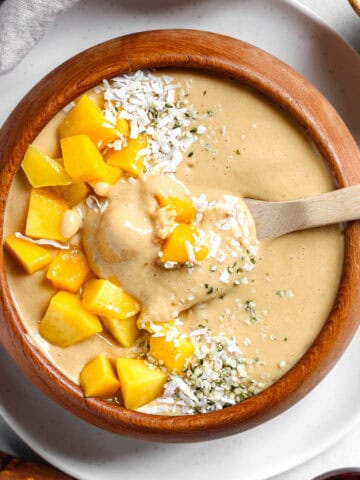
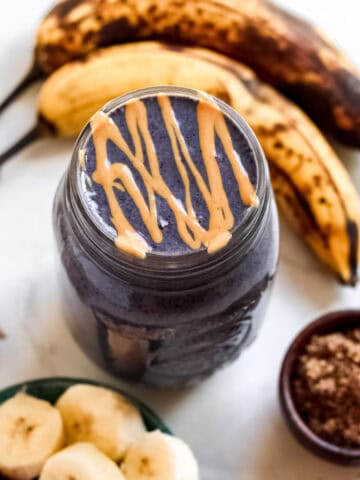
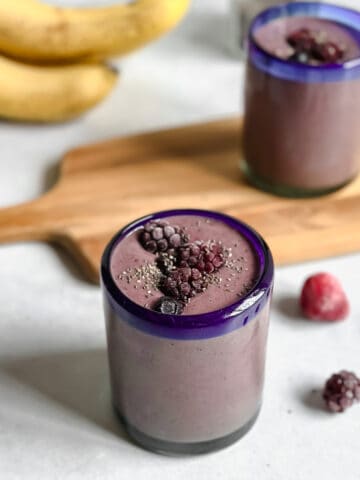
Pairing
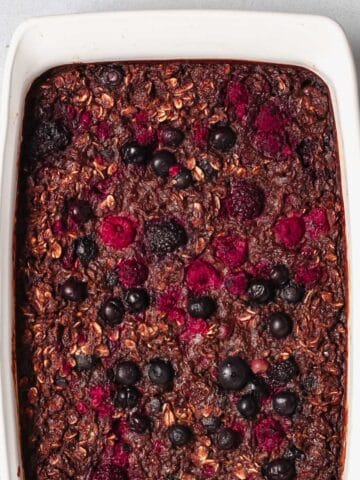
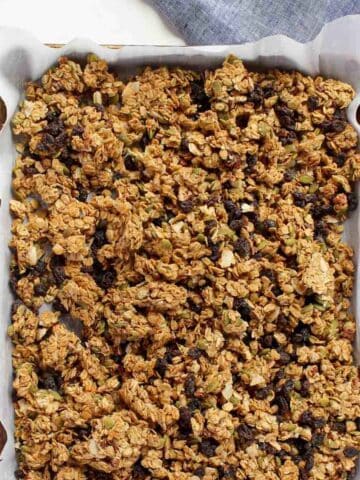
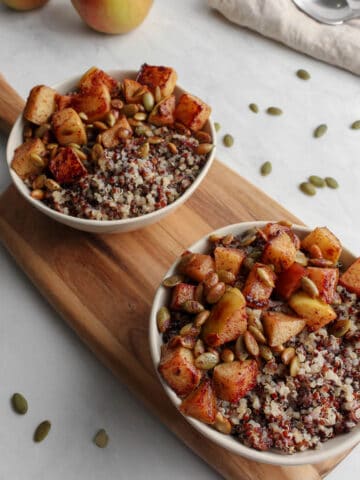
I love a good smoothie at breakfast, usually served along side something else like this:
Food Safety Smoothie Making Tips
Like with all food preparation, there can be food safety concerns associated with making smoothies. Here are some important food safety considerations when making smoothies:
- Cross-Contamination: Cross-contamination occurs when pathogens (harmful microorganisms like bacteria and viruses) from one food item are transferred to another. To prevent cross-contamination:
- Wash your hands thoroughly before handling ingredients.
- Clean and sanitize all utensils, cutting boards, and blender parts between uses, especially if you're blending different types of ingredients.
- Properly Wash and Prepare Ingredients:
- Rinse and thoroughly wash all fruits and vegetables, even if they have a peel or skin you don't intend to eat, to remove dirt, pesticides, and pathogens.
- Consider using pre-washed and pre-cut produce to save time and reduce the risk of contamination.
- Handling Dairy or Plant-based Alternatives:
- If your smoothie contains plant-based milk or dairy products, store them in the refrigerator and use them within their recommended shelf life.
- Check the expiration date on prior to use.
- Keep your blender and blender parts clean - always wash well after use.
- Safe Storage and Temperature:
- Smoothies should be consumed immediately or stored in the refrigerator at 40°F (4°C) or lower to prevent the growth of harmful bacteria. If left at room temperature for too long, bacteria can multiply rapidly.
- Don't leave a smoothie out at room temperature for more than 2 hours, or 1 hour if the ambient temperature is above 90°F (32°C).
- Hygiene Practices:
- Ensure your hands, blender, and preparation surfaces are clean before making a smoothie.
- Use clean, food-safe containers for storing and serving smoothies.
- Avoid Using Expired or Spoiled Ingredients:
- Check the freshness of your ingredients, including fruits, vegetables, plant-based milks, yogurts, and any other perishable items, before adding them to your smoothie.
- Be Mindful of Allergens:
- If you or anyone consuming your smoothie has food allergies, be cautious of allergen cross-contamination. Clean the blender and utensils thoroughly if they've come into contact with allergenic ingredients.
- Consider Food Recalls: Stay informed about food recalls and check your ingredients to ensure they are not part of any recalls due to contamination or foodborne illnesses.
Thanks for coming! Let me know what you think: